Top-rated independent appliance repair across the Southeast
What Local Weather Does to Home Appliances Through the Year
Southeastern weather is what puts most appliances on our schedule, and a few seasonal checks will keep you off it. Your dryer worked fine in January and now it takes two cycles. The fridge hums louder every August. Pollen, humidity, heat, and the odd hard freeze each load up different machines at different times of year. Here's what rolls in month by month, plus the checks that head off a service call.
Call (888) 826-9217- A real person answers
- Open 7 days
- Written quote before work starts
Taking calls until 5:00 PM ET
By our service team · vetted by the techs who do this daily
Spring: pollen coats everything, including your appliances
Late February through April, that yellow film gets pulled inside every appliance with a fan. Refrigerator condenser coils clog first. A coated coil can't shed heat, so the compressor runs longer, the fresh food side drifts warm, and ice cream turns soft. Dryers suffer too. Lint plus pollen packs the vent hood flap shut. We see a spike in "fridge not cold enough" calls right as pollen counts peak. Pre-season check: pull the fridge out, vacuum the coils and the floor grille. Then go outside and watch the dryer vent while a load runs. Air should push the flap open. If it barely moves, the duct needs cleaning.
Summer: heat and humidity make every motor work harder
Atlanta summers keep garages and laundry rooms above 90 degrees for weeks at a stretch. A fridge in a hot garage runs nearly nonstop and ices up the evaporator. Kitchens with poor airflow push dishwashers and ranges the same way. Humidity is the quieter problem. It condenses inside control boards, corrodes door switches, and leaves musty smells in front-load washers. Failures that spike: fridge compressors and start components, ice makers that can't keep up, washer door seals growing mildew. Safe checks: keep three inches of clearance behind and above the fridge, wipe the washer gasket dry after the last load, and run the dishwasher's hottest cycle empty once a month.
Fall: storms, power blips, and the first heat cycles
Storm season and utility work mean brownouts. A dip in voltage is harder on appliance electronics than a clean outage. Control boards on refrigerators, washers, and induction ranges fail after these events, often days later. Leaves and seed pods pile against outdoor dryer vents, and behind fridges in unfinished basements. What we get called for: machines that power up but won't start a cycle, displays showing odd codes, ice makers dead after a storm. Worth doing now: plug the fridge and washer into surge protection rated for appliances, clear the vent hood, and write down any error code so you can read it to us over the phone.
Winter: cold snaps hit garages, laundry rooms, and water lines
We only get a handful of hard freezes, but they cause damage because nothing here is built for them. Garage refrigerators stop cycling when the room gets cold. The thermostat thinks it's cold enough, so the freezer thaws. Washers in unheated laundry rooms get frozen inlet lines and split hoses. Ice maker supply tubing in an exterior wall is a common freeze point. Before the first freeze: check that garage fridges are rated for low ambient temperatures, leave a cabinet door open under the kitchen sink on the coldest nights, and know where your water shutoff is. Replace rubber washer hoses that feel stiff or bulge near the fittings.
Metro drive times and what to have ready when you call
The metro is wide. From Marietta to McDonough is a different world of traffic, and we serve homes across six Southeastern states, so a little prep on your end makes the visit go faster. Have the brand and model number ready. It's usually on a sticker inside the fridge, on the dishwasher door edge, or behind the dryer door. Note when the problem started and whether it's constant or comes and goes. Clear a path to the appliance and know where the shutoff or plug is. If water is on the floor, unplug the unit and shut the supply valve. Then call us.
What Local Weather Does to Home Appliances Through the Year — fast answers
Does pollen really cause refrigerator problems?
Yes. Pollen mixes with dust and mats onto the condenser coils. The coil can't release heat, so the compressor runs long and the food side warms. Vacuuming coils each spring solves most of it.
Why does my washer smell worse in summer?
Warm, damp air feeds mildew in the door gasket and detergent drawer. Wipe the seal dry, leave the door open between loads, and run a hot tub-clean cycle monthly.
Should I move my garage fridge inside for winter?
Not necessarily. Check whether it's rated for low ambient temperatures. If it isn't, freezer contents may thaw during a cold snap because the thermostat stops calling for cooling.
How it works
- Step 1
Tell us the symptom
Call us or fill out the form. Describe what the machine is doing: the noise, the smell, the error code. Brand and rough age help us load the right parts.
- Step 2
We schedule a window
Metro Atlanta traffic is real, so we book arrival windows that hold up. You get a heads-up before the technician rolls out, and we work around your day where routes allow.
- Step 3
Diagnose, then repair
The technician tests the unit, finds the failed part, and explains what's wrong in plain words. You approve the work before anything gets replaced. Most common parts ride on the van.
- A real person answers
- Open 7 days
- Written quote before work starts
Why homeowners call us
- Built for Southern humidityDamp air punishes appliances. Dryers take longer, gaskets grow mildew, ice makers sweat and freeze up. We see these patterns weekly, so we check for them instead of chasing the obvious part first.
- Pollen-season know-howSpring coats every condenser coil in yellow film. A fridge that struggles in April often just can't shed heat. We clean it, test airflow, and tell you what actually failed versus what was choked.
- Six states, one teamGeorgia and the states around it. Same intake and same diagnostic approach whether you're inside the Perimeter or two hours out, with the same clear explanation at the end. One call reaches the whole service area.
- All major brands, independentWe are not tied to any manufacturer. We service what's in your kitchen and laundry room regardless of badge, and any repair-or-replace recommendation comes from the machine itself, not a brand relationship.
- All major brands, gas & electricOne independent crew for Whirlpool, Samsung, GE, LG, Maytag, Bosch and more.
- Straight answersNot worth fixing? We say that out loud, and often it saves you the visit fee.
About this guide
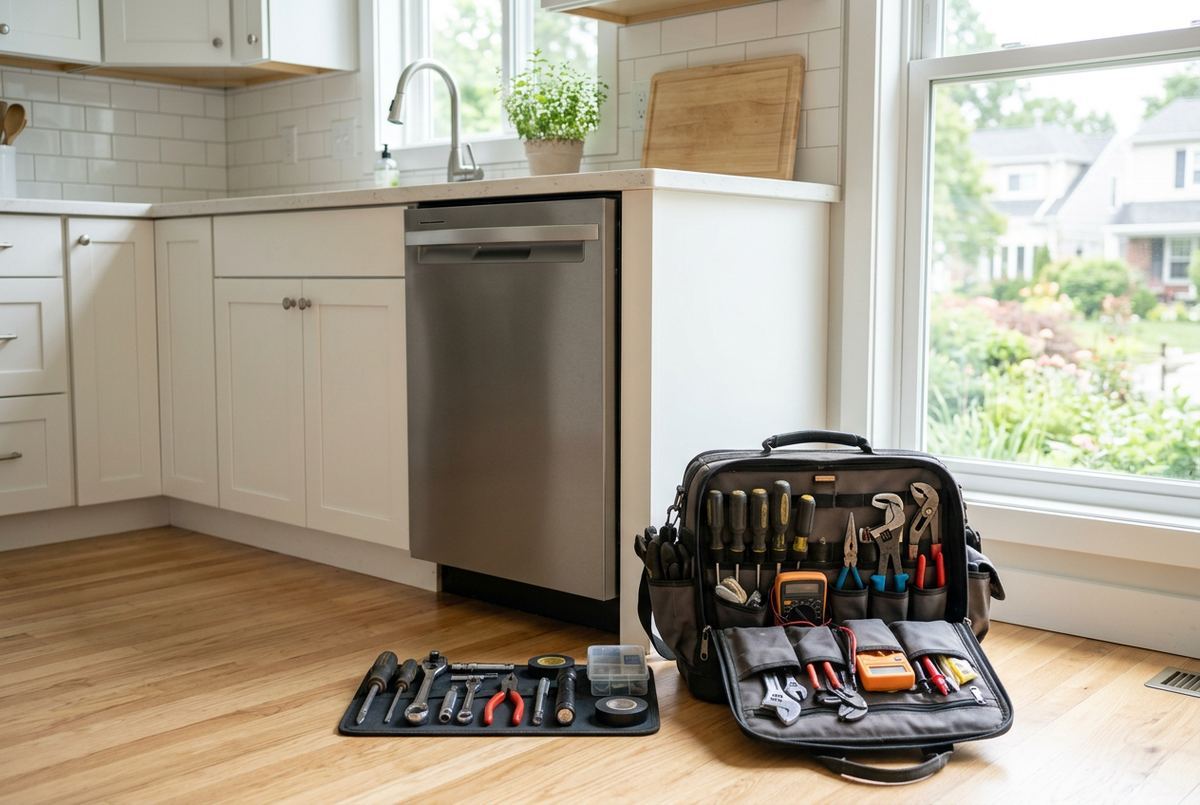
Past the safe checks, it's a job for tools and a meter
Describe what you found and we'll take it from there. Booking takes about a minute.
- A real person answers
- Open 7 days
- Written quotes
- All major brands
- Gas & electric
Rather not call? Get a free quote →